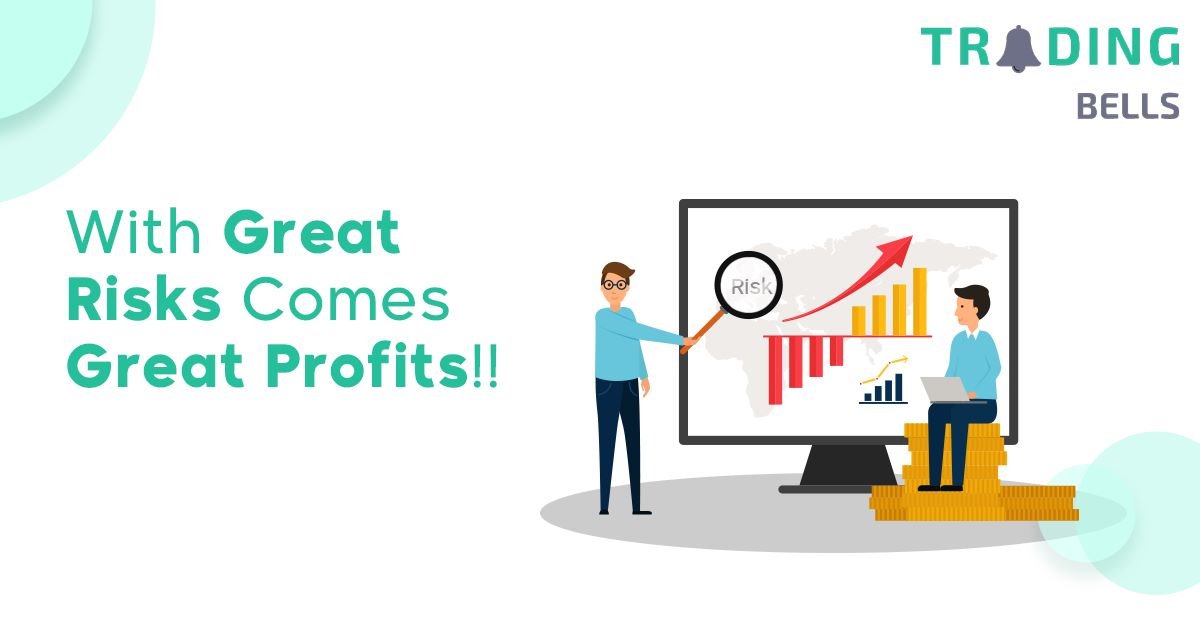
In the world of investing, the old adage holds true: “great profit potential comes with greater risk.” Whether you’re an experienced investor, a budding entrepreneur, or someone exploring ways to grow your wealth, understanding the delicate balance between risk and reward is crucial. While high returns are attractive, they rarely come without potential downsides. This article explores how risk and reward are connected, how to evaluate opportunities, and strategies to navigate investments wisely.
1. Understanding Risk and Reward
Risk and reward are inseparable in the financial world. Before diving into investments, it’s essential to understand these concepts:
a. What is Risk?
Risk refers to the possibility of losing money or not achieving expected returns. In investing, risk comes in many forms:
- Market Risk: Fluctuations in stock prices or overall market conditions.
- Credit Risk: Borrowers defaulting on loans or bonds.
- Liquidity Risk: Difficulty selling an asset quickly without loss.
- Inflation Risk: Returns failing to keep pace with rising costs.
b. What is Reward?
Reward is the potential financial gain from an investment. It’s often measured in terms of return on investment (ROI) or profits. High-risk investments can yield high rewards, but they also carry the possibility of substantial losses.
c. The Risk-Reward Tradeoff
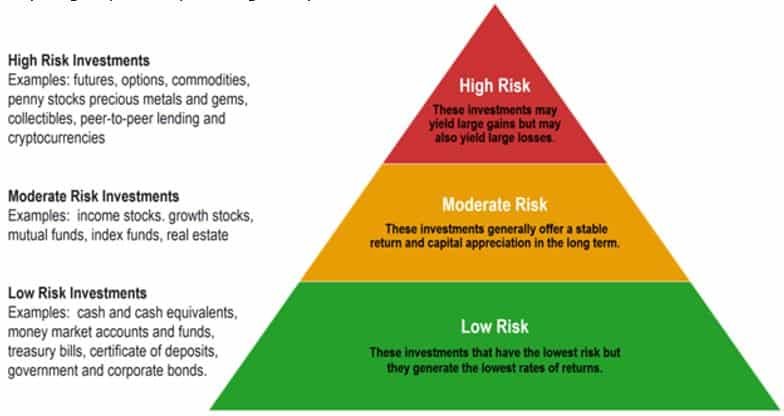
The risk-reward tradeoff is a fundamental principle: the higher the potential reward, the higher the risk involved. Low-risk investments, such as government bonds, typically offer modest returns, whereas volatile assets like stocks, cryptocurrencies, or startup investments can produce significant profits — or heavy losses.
2. Types of High-Risk, High-Reward Investments
Understanding where high-risk, high-reward opportunities exist is crucial for making informed decisions:
a. Stocks
- Growth Stocks: Companies with high growth potential can produce extraordinary returns, but share prices are often volatile.
- Small-Cap Stocks: Smaller companies can grow rapidly, yet they are more susceptible to market swings.
b. Cryptocurrency
Digital currencies have skyrocketed in value in recent years. While early adopters can see huge gains, crypto markets are highly volatile and unregulated in many regions.
c. Real Estate Development
Investing in property development or flipping homes can be profitable but comes with risks like construction delays, market downturns, and unexpected expenses.
d. Startups and Venture Capital
Investing in startups offers potential exponential growth. However, most startups fail, making these investments extremely risky without proper due diligence.
e. Commodities and Futures
Trading oil, gold, or agricultural commodities can produce high returns. However, prices are sensitive to geopolitical events, weather, and supply-demand fluctuations.
3. Evaluating Risk Before Investing
Before committing capital, it’s essential to assess risk carefully:
a. Understand Your Risk Tolerance
Everyone has a different comfort level with potential loss. Risk tolerance is influenced by:
- Age and life stage
- Financial obligations
- Investment experience
- Personal psychology
b. Analyze the Investment
- Historical performance: Past trends aren’t guarantees, but they provide context.
- Volatility: Higher fluctuations increase risk.
- Liquidity: Can you access your funds quickly if needed?
- Market conditions: Economic, political, or industry-specific factors.
c. Diversify Your Portfolio
Diversification is a core strategy for balancing risk and reward. By spreading investments across asset classes — stocks, bonds, real estate, and alternative assets — you reduce the impact of any single investment’s poor performance.
4. High Risk, High Reward Strategies
a. Leveraging Investments
Using borrowed funds to invest can amplify gains but also magnifies losses. Leveraging is suitable for sophisticated investors who understand the potential consequences.
b. Dollar-Cost Averaging
Investing a fixed amount regularly reduces the impact of market volatility. While not risk-free, it lowers the chance of mistiming large investments.
c. Hedging and Risk Management
Hedging strategies, such as options or insurance, help mitigate potential losses. Sophisticated investors often use these tools to manage exposure while pursuing high returns.
d. Timing the Market vs. Long-Term Investment
Short-term trading offers quick profits but carries higher risk. Long-term investing generally reduces risk exposure while still offering strong growth potential over time.
5. Case Studies of High-Risk, High-Reward Investments
Case Study 1: Stock Market Success
Elena invested in a small technology startup that went public within three years. Her initial $10,000 investment grew to $100,000. However, she also experienced periods where the stock lost 30–40% of its value, requiring patience and emotional resilience.
Case Study 2: Cryptocurrency Volatility
Michael purchased Bitcoin early, seeing his investment grow tenfold within a few years. But market swings of 50–60% tested his tolerance, illustrating the extreme volatility associated with digital assets.
Case Study 3: Real Estate Flip Gone Wrong
Sophia bought a property intending to renovate and sell for profit. Unexpected construction delays and rising material costs turned a projected $50,000 profit into a $10,000 loss, highlighting the risk inherent in real estate development.
6. Psychological Aspects of Risk
Investing isn’t just numbers; it’s also about mindset. High-risk opportunities can trigger emotions that influence decisions:
- Fear of Loss: Can cause hesitation or panic selling.
- Greed: Overconfidence can lead to reckless investments.
- Patience: Long-term vision helps navigate volatility.
- Discipline: Sticking to strategy is key to managing risk effectively.
Understanding your own psychology is critical when pursuing high-reward investments.
7. Mitigating Risk Without Sacrificing Reward
While you cannot eliminate risk entirely, you can reduce it strategically:
a. Diversification
Spread capital across sectors, industries, and asset classes.
b. Risk Assessment Tools
Use metrics like beta, standard deviation, and value-at-risk (VaR) to evaluate investment volatility.
c. Limit Exposure
Don’t invest more than you can afford to lose in high-risk assets. Consider using only a portion of your portfolio for speculative investments.
d. Stay Informed
Market conditions, regulatory changes, and global events impact risk. Knowledge is a critical risk-management tool.
e. Seek Professional Advice
Financial advisors can provide insights tailored to your goals and risk tolerance.
8. Common Mistakes in High-Risk Investing
- Chasing trends: Following hype without research leads to losses.
- Ignoring fundamentals: Focus on long-term value, not just potential gains.
- Overleveraging: Borrowing too much magnifies risk.
- Emotional investing: Panic or greed can ruin disciplined strategies.
- Lack of diversification: Betting everything on one opportunity increases vulnerability.
9. The Reward Potential
High-risk investments often come with the possibility of exceptional rewards:
- Exponential returns: Startups, growth stocks, or crypto can multiply your initial capital.
- Portfolio growth acceleration: Properly balanced high-risk investments can enhance overall returns.
- Learning experience: Managing risk improves financial literacy and decision-making.
However, the reward must always be evaluated against potential losses, ensuring decisions are rational rather than emotional.
10. Risk in Everyday Life vs. Investing
Understanding risk in context helps:
- Driving a car involves risk, but safety measures reduce danger.
- Business decisions involve risk, but research, planning, and insurance mitigate it.
- Investing follows the same principle: calculated risk increases opportunity while minimizing unnecessary exposure.
11. Strategies for Different Risk Profiles
a. Conservative Investors
Focus on bonds, index funds, or dividend-paying stocks. Limited upside, but steady growth.
b. Moderate Investors
Blend stable assets with some high-risk opportunities. Balance growth and protection.
c. Aggressive Investors
Allocate a significant portion to high-risk, high-reward assets. Requires tolerance for volatility and long-term vision.
12. Conclusion: Embracing Risk Wisely
Great profit potential does indeed come with greater risk, but understanding, planning, and strategic execution can make these opportunities manageable. Investors must evaluate their financial situation, goals, and tolerance for loss before diving into high-risk assets.
Key takeaways:
- Know your risk tolerance and financial limits.
- Diversify to protect against losses.
- Research thoroughly and avoid emotional decision-making.
- Use professional guidance when needed.
- Balance risk and reward with long-term financial objectives.
In the end, risk is not something to fear—it’s a tool to grow wealth if approached wisely. By embracing calculated risk and disciplined strategy, investors can pursue great profit potential while protecting themselves from unnecessary loss.
Summary:
Perhaps you have been trading stocks for a long time. You believe that you have mastered the art known as trading and want to go even further. You think you are ready to play with the big boys now.
All right then, step right up to the plate and get prepared for some advanced stock market trading.
For advanced traders, using margin, selling short, getting into IPOs, and other quite sophisticated trading techniques and strategies can open a whole new world of exciting tra…
Keywords:
stock,market,investment
Article Body:
Perhaps you have been trading stocks for a long time. You believe that you have mastered the art known as trading and want to go even further. You think you are ready to play with the big boys now.
All right then, step right up to the plate and get prepared for some advanced stock market trading.
For advanced traders, using margin, selling short, getting into IPOs, and other quite sophisticated trading techniques and strategies can open a whole new world of exciting trading experiences and potential profits.
Understanding IPOs
IPOs or initial public offerings are a highly visible sign of the transition of a company from a privately owned organization to a publicly held firm. Every incorporated business issues common stock, although initially this is usually to a few stockholders. In order for a company to raise necessary capital without incurring debt, one commonly used method is to sell stock to the public, thereby becoming a publicly traded company.
There are two ways to potentially make money from these IPOs.
First, the trader needs to get in early and buy stocks through the initial public offering, hope for a large quick increase in share price, and then sell shares for a quick profit.
The other way is to sit back, watching and waiting until after the IPO has begun. See if the new stock is fairly priced. If it�s reasonable, then one would purchase the stock.
Shorting Stocks
Selling short is an advanced technique that many traders do not take advantage of. Short sellers look for the best stock to sell. Short sellers sell stock they don�t actually own with a belief the value will come down by a significant amount in the near future. The shares are borrowed from a stockholder. The borrowing is done by each party�s brokers.
When the price tumbles, the short sellers can buy the stock at the lower price to cover their short positions, pocket the profit and return the shares to the owners.
Short selling is risky though. If the prices jump instead of drop, you will lose money. It is often difficult to easily speculate if a stock will fall. The historical tendency of the average stock is to increase in price over the long term. So the potential for loss is greater than the potential for profit, because the short seller is going against a historical norm.
Margin Trading
Margin accounts can permit the trader to borrow money to buy stock. Margin trading uses borrowed money to increase how much stock the trader can buy. This money can be loaned by a broker.
If you were to buy a stock worth $1,000 on a cash basis, without the use of margin trading, you would have to dish out the full $1,000 dollars, plus commissions. But if you margin trade, your broker can lend you up to half of the amount or $500 on many stocks, and you only need to shoulder the other $500 plus commissions and interest payments.
If the stock gets you $10 per stock, profit will be based on the number of shares of stock you bought with $1,000. Then you can pay the broker back. If you did not margin trade, your profit would only have been for the number of shares of stock you paid for using cash. On the other hand, were the stock price to go down, the loss incurred would be based on the entire $1,000, and you would still owe the margin loan amount to the broker.
Closing
As with everything in life, there is a flip side to every coin. In many cases, the greater the profit, the greater the risk. Advanced trading is not for the faint of heart, and you should only trade with risk capital, not with money that you can�t do without.


Tinggalkan Balasan